Designing Flexible TV Graphics Frameworks
Television production, especially for news and live events, often involves managing a constant flow of rapidly changing information. Creating graphics systems that can adapt quickly while maintaining visual consistency is crucial. Some key considerations when designing such frameworks include:

Modular Design Building a system with interchangeable components allows for rapid updates and customization. This could involve templated lower thirds, animated backgrounds, and data visualization modules that can be mixed and matched as needed.
Data-Driven Graphics Connecting graphics directly to data sources enables real-time updates. For example, election results or sports scores can automatically populate on-screen elements without manual input.
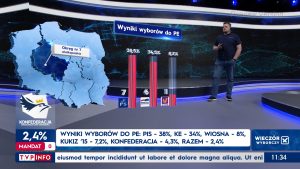
Parametric Controls Developing graphics with adjustable parameters allows producers to fine-tune visuals on the fly. This might include options to adjust colors, timing, or layout based on the specific needs of a segment.
Automated Workflows Implementing systems that can automate repetitive tasks, like generating social media graphics or compiling highlight reels, frees up creative teams to focus on high-value work.
Scalable Systems Designing frameworks that can easily scale up for major events or scale down for day-to-day operations helps maintain consistency across various production scales.
By focusing on flexibility and automation, TV graphics teams can create systems that are more resistant to the inherent chaos of live production while still delivering polished, engaging visuals to viewers.